Titanium Sheet

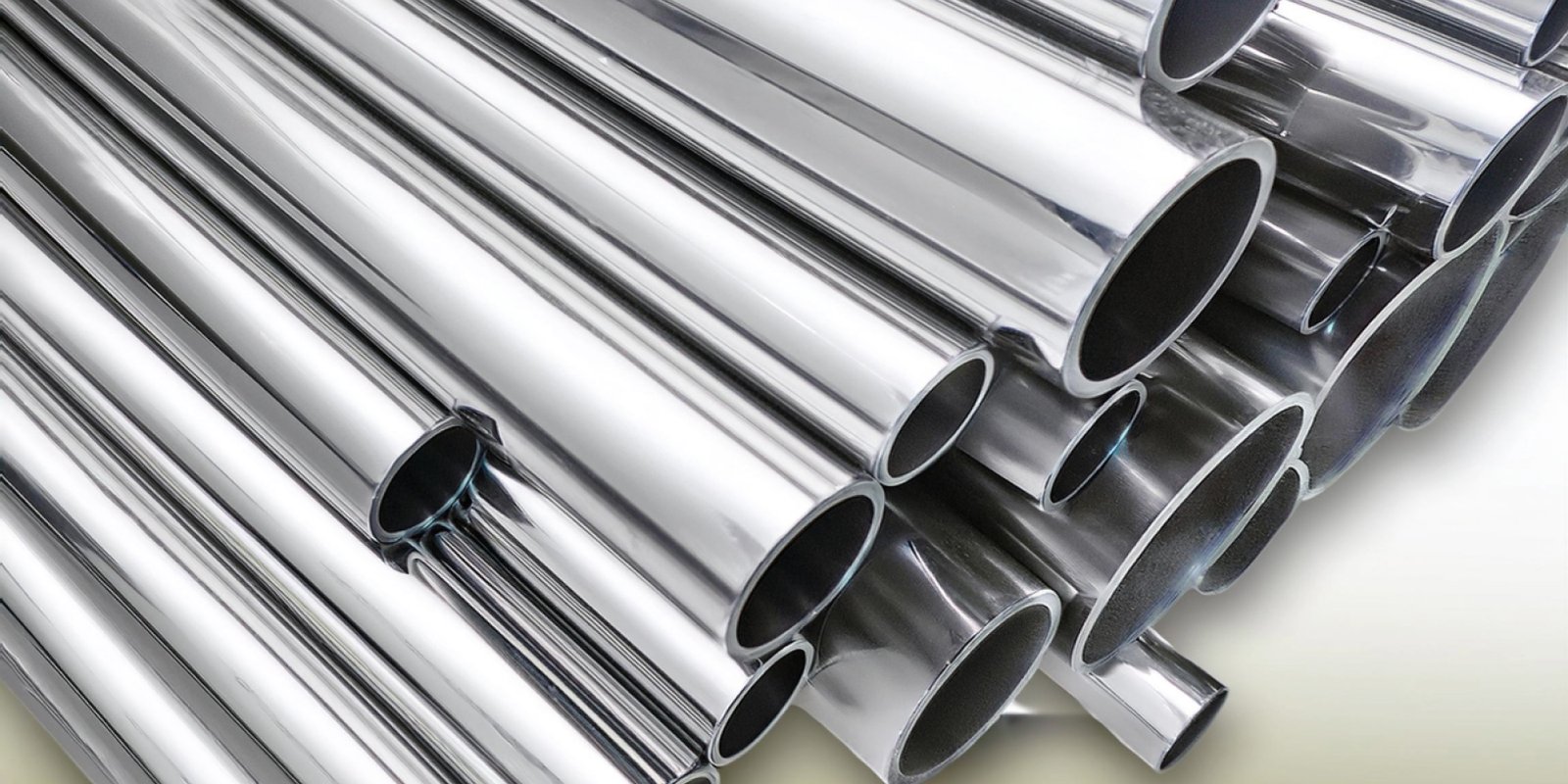
Titanium Sheets from Om Steel are the perfect choice for industries that demand high-quality metal sheets with exceptional strength, lightweight properties, and excellent corrosion resistance. As a trusted provider of top-grade metal products, we offer a comprehensive range of titanium sheets designed to meet diverse industry needs.
Our titanium sheets are meticulously crafted using premium-grade titanium and advanced manufacturing techniques to ensure superior performance and durability. Titanium is renowned for its impressive strength-to-weight ratio, making it an ideal material for applications where weight reduction is crucial without compromising structural integrity.
Om Steel provides titanium sheets in various grades, sizes, and thicknesses to suit different applications. Whether you require sheets for aerospace, automotive, medical, or industrial purposes, our wide selection ensures that you find the perfect solution for your specific requirements.
With their exceptional corrosion resistance, titanium sheets offer long-lasting performance in challenging environments, including marine, chemical, and offshore applications. They can withstand extreme temperatures, making them suitable for high-temperature environments where other materials may fail.
At Om Steel, we prioritize quality and customer satisfaction. Our titanium sheets undergo rigorous testing and quality control procedures to ensure they meet or exceed industry standards. Our experienced team is ready to assist you in selecting the right grade and size of titanium sheets to meet your specific needs.
Titanium Sheets Surface Finish Types
Mill Finish
Brushed Finish
Polished Finish
Sandblasted Finish
Cold Rolling Titanium Sheets Vs Hot Rolling Titanium Sheets
Cold Rolling Titanium Sheets
Cold rolling is a process that involves reducing the thickness of steel sheets by passing them through rollers at room temperature. This process improves the strength and durability of the material, making it ideal for use in harsh environments where corrosion is a concern. North Steel Co. provides a wide range of cold-rolled alloy sheets with excellent corrosion resistance properties for use in wall panels and other applications.
Cold rolling offers several benefits over other methods of metalworking. One major advantage is that it does not involve melting the metal, which can lead to changes in its chemical composition and physical properties. Instead, cold rolling works by compressing the metal between two rollers, which gradually reduces its thickness while also improving its strength and durability.
Another benefit of cold rolling is that it can be used to produce sheets with very precise dimensions and tolerances. This makes it ideal for applications where accuracy is critical, such as in aerospace or medical equipment manufacturing.
Hot Rolling Titanium Sheets
Hot rolling is a metalworking process that involves heating an alloy sheet and passing it through a pair of rollers to reduce its thickness. This process can be produced sheets with improved strength and durability, making them ideal for use in various industries such as construction, automotive, and aerospace. In this article, we will discuss the different aspects of hot rolling alloy sheets.
Alloys are mixtures of two or more metals that possess unique properties. Hot rolling is commonly used to produce alloy sheets due to its ability to improve their strength and durability. Stainless steel is a popular alloy used in hot rolling because of its resistance to corrosion and high temperature. The hot rolling process can also improve the surface finish of alloy sheets, making them smoother and more uniform in texture.
The thickness of the hot rolled alloy plate can vary from thin sheets to thick slabs depending on the requirements of the industry. The thickness reduction during hot rolling depends on several factors such as initial thickness, final thickness required, roll diameter, friction coefficient between rolls and plate surface, among others. Typically, thicker sheets require multiple passes through the rollers for proper reduction.